Application Information Kit
To be eligible for a position at the NRC, you must be an Australian citizen or a permanent resident who is eligible for employment in Australia. When assessing applications, we will be looking for demonstrated suitability for the roles, focusing on the following criteria;
- Demonstrated understanding of the NRC business and services it delivers;
- Demonstrated experience and high competency working with IT systems;
- Strong written and verbal communication skills;
- Demonstrated experience working in process driven environments requiring high attention to detail;
- Demonstrated experience managing a range of tasks and activities;
- Demonstrated experience in managing demanding workloads and competing priorities in a high pressure, time critical environment;
- Demonstrated experience working with stringent grade of service KPIs;
- Commitment to working a rotational roster, including weekends, nights and public holidays;
- Demonstrated maturity and discipline to deliver quality results across all facets of engagement;
- Ability to study and learn and complete the required training to become fully competent in your role.
Dispatch Services
Employee Safety Services - Faults and Emergencies
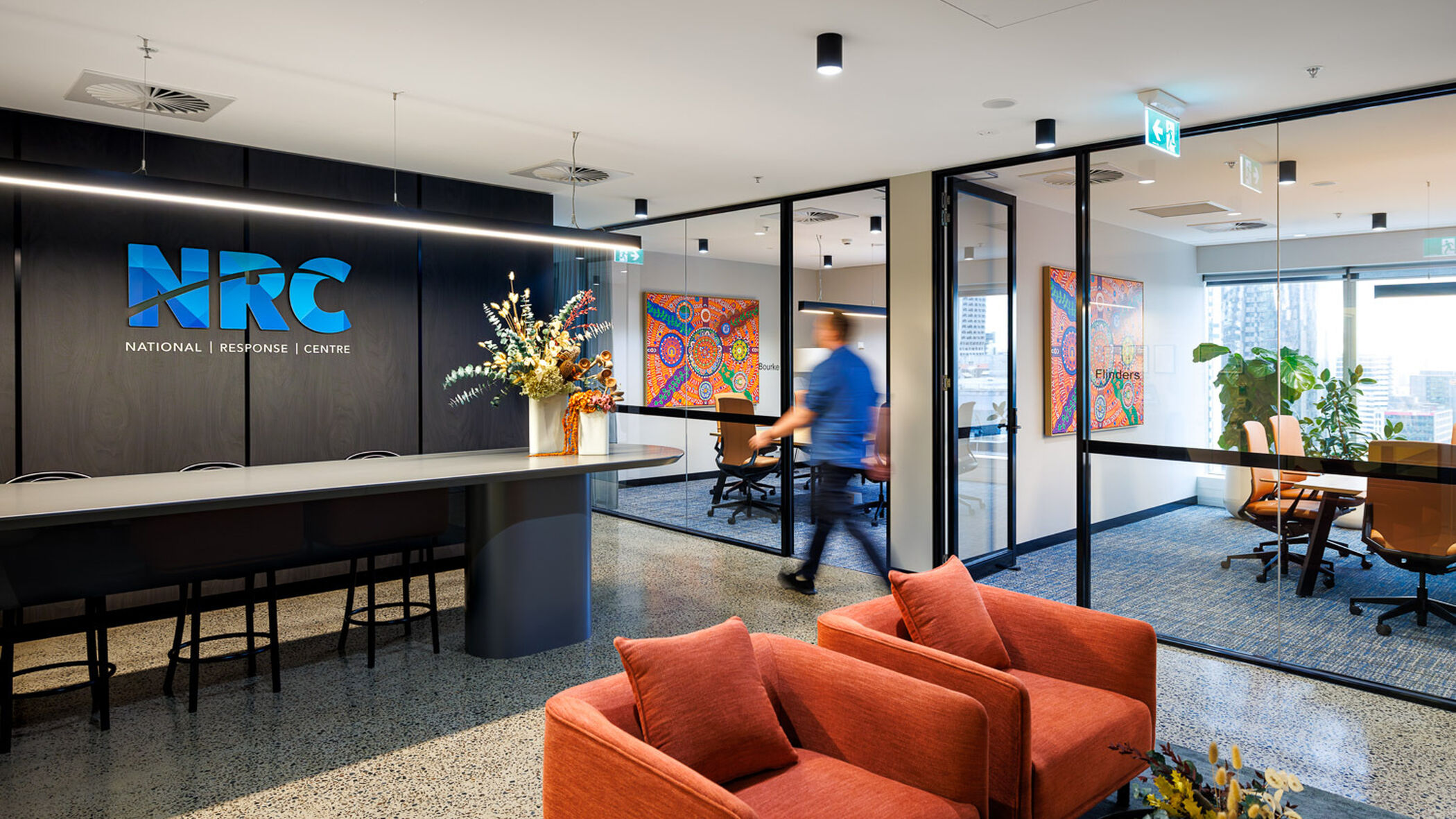
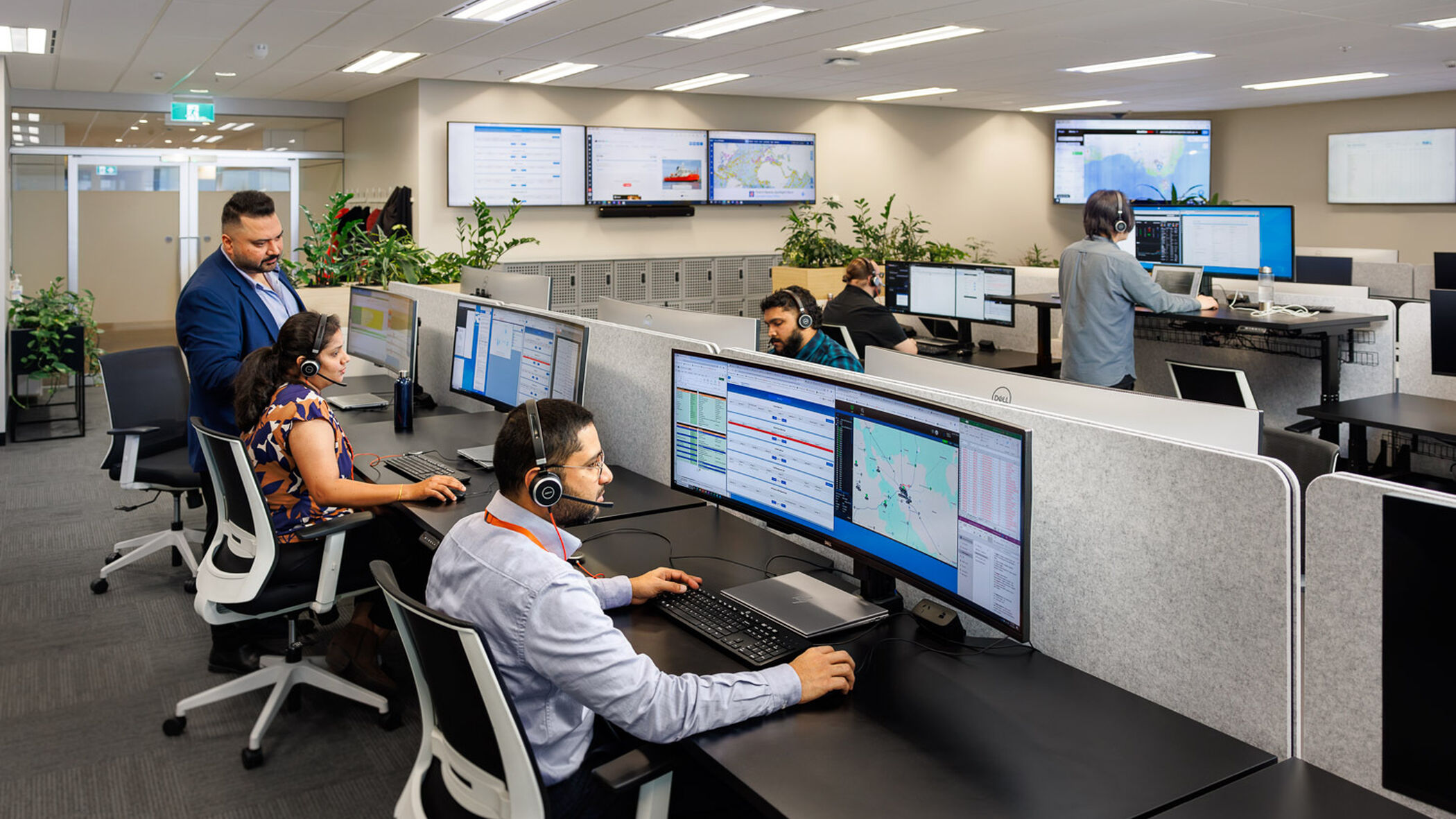
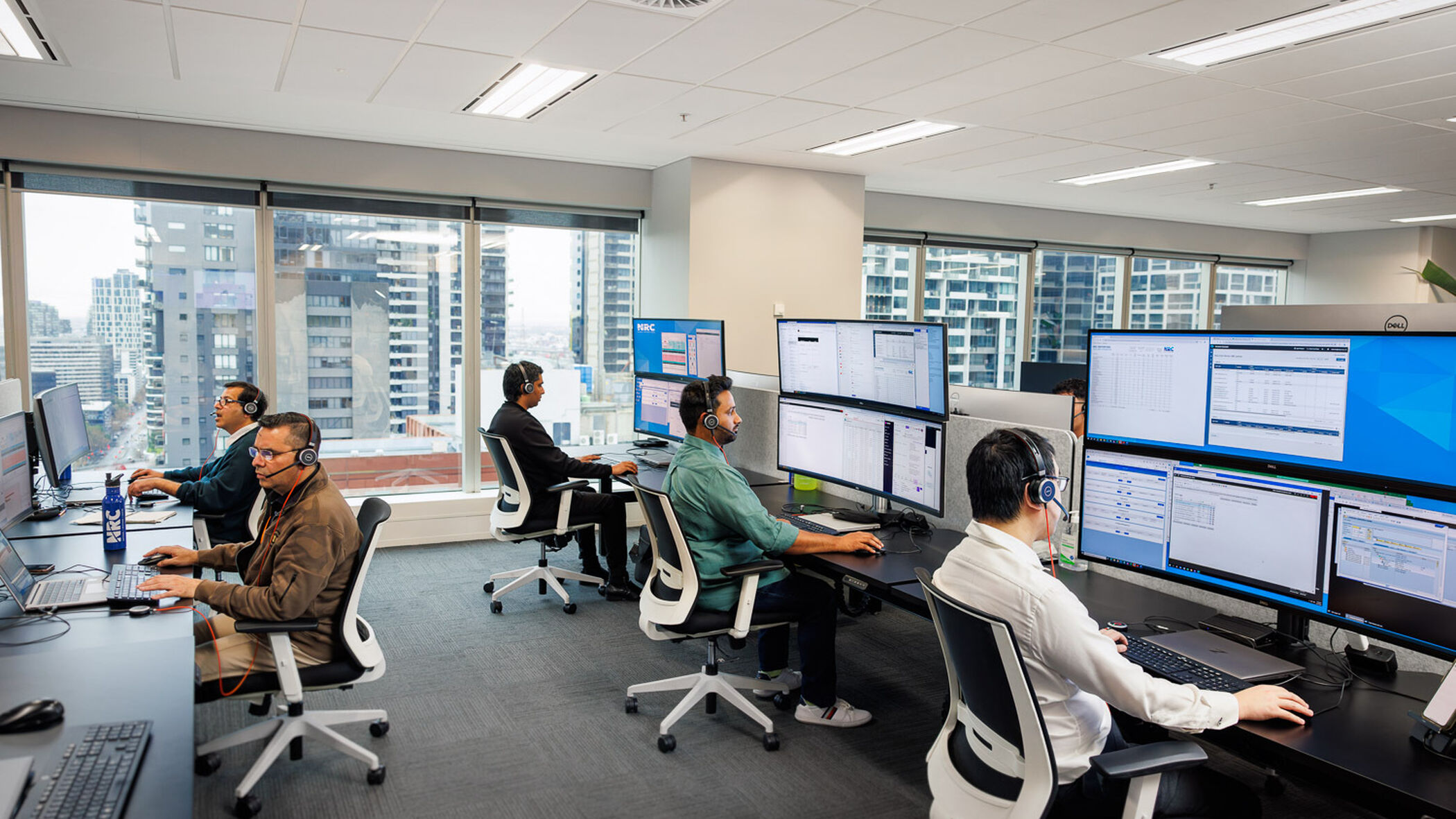
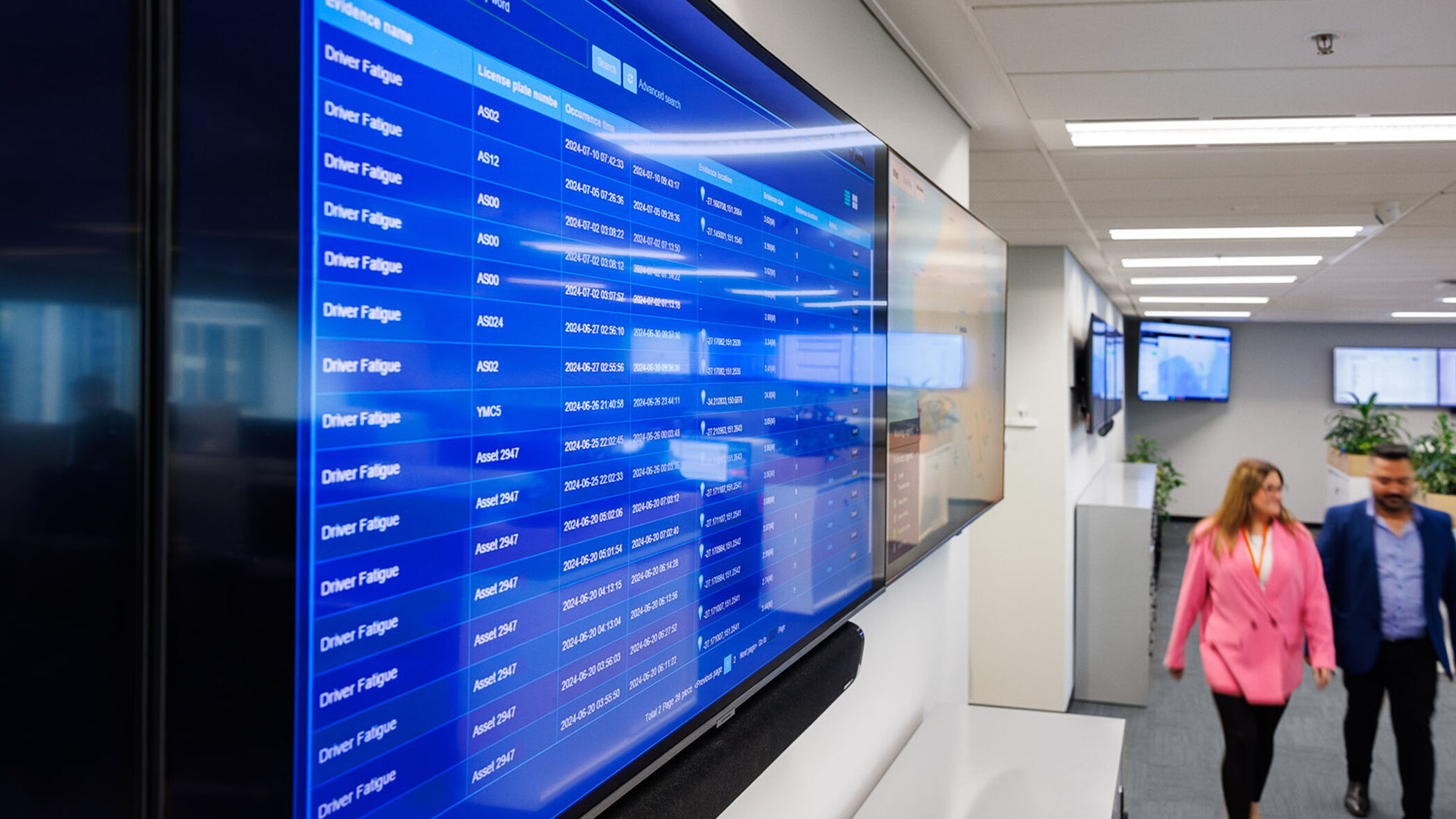
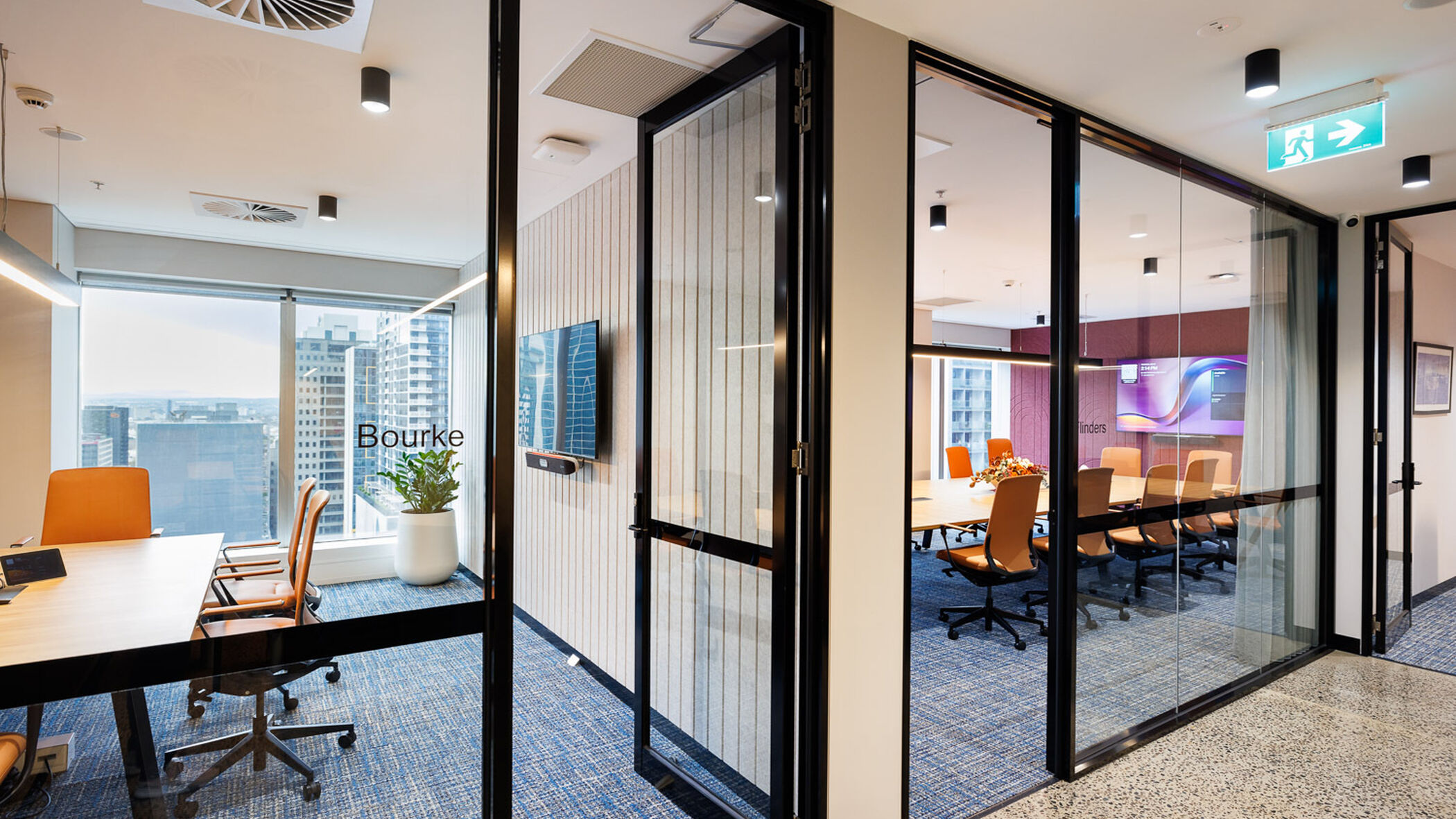
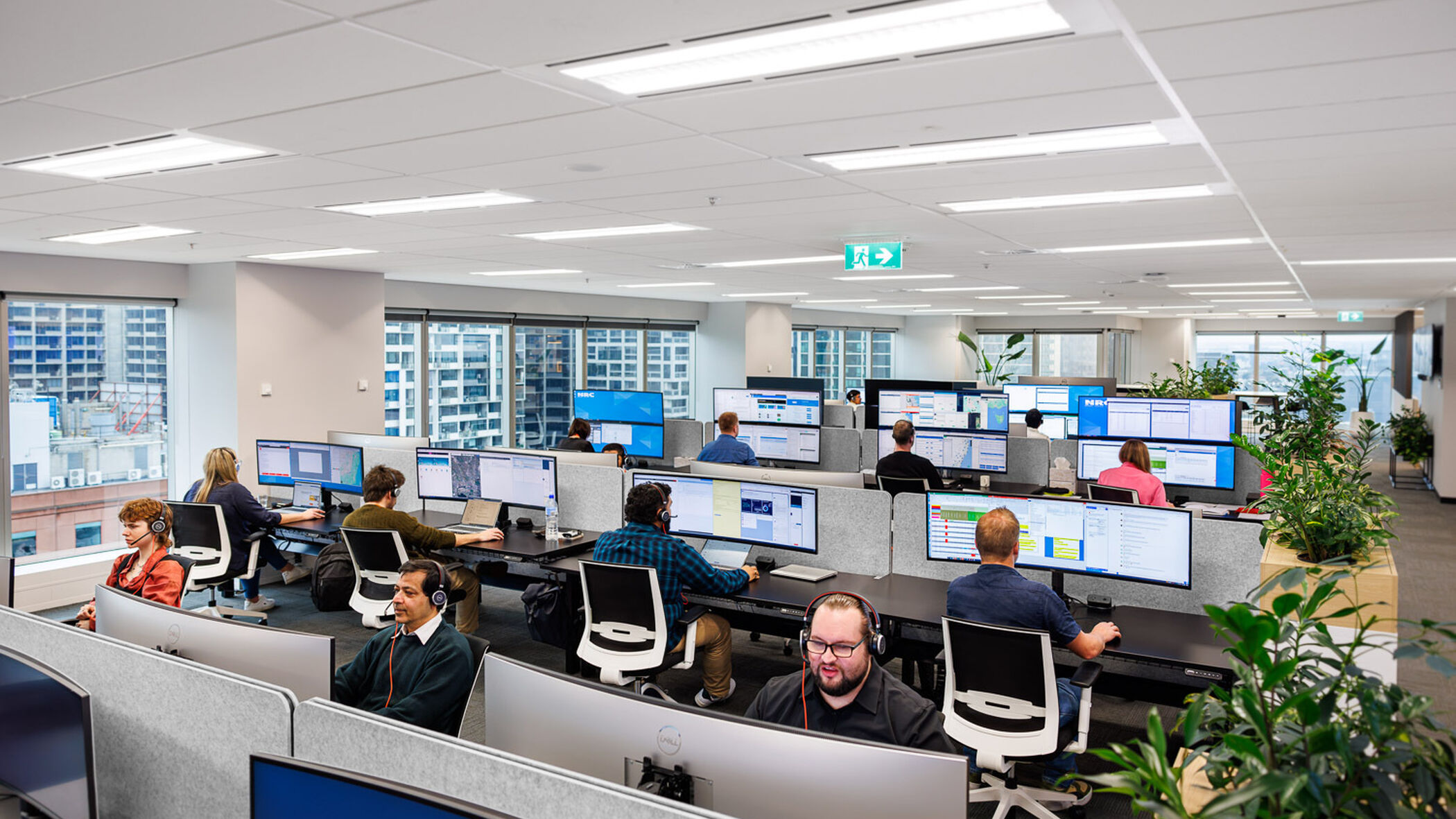
Our modern, state-of-the-art response centre is based in the heart of Melbourne. The centre operates 24/7 and response roles are 100% on-site.

Remuneration
Remuneration and benefits are in accordance with provisions of the National Response Centre Enterprise Agreement 2025.
Non-Shift Work Rates: Response Officer (non-shift) exclusive of superannuation:
From 1-Sept-25 |
From 1-Sept-26 |
From 1-Sept-27 |
|
|---|---|---|---|
|
Min Salary |
$67,185 |
$69,201 |
$71,277 |
|
Min Thereafter Rate |
$72,455 |
$74,629 |
$76,868 |
A reasonable number of additional hours can be allocated with rostering principles as outlined in the NRC EBA 2025. Additional hours worked will be entitled to additional payments as outlined in the NRC EBA 2025.
On average, overtime penalties can contribute an additional 10-15% in additional payments annually.
Note, number of overtime hours is not guaranteed, and additional payment amounts will vary depending on availability to work additional hours.
Qualifying Period
Work Environment
- Environment provides a variety of services including emergency response with stringent response time-frames and expectations;
- Managing demanding and changing workloads and competing priorities in a time critical environment;
- Working in an open-plan office environment;
Working in a small team environment; - Constantly using computer technology, including visual displays, computer keyboard and mouse, for extended periods of time;
- Constantly using a telephone and /or radio headset;
- Constantly positioned at a desk while operating equipment;
- Working independently and also within a team environment;
- Working within a heavily audited work environment, receiving regular performance related feedback.
- Working in an operation classified as essential, and therefore will operate core and support functions from the centre at all times. All employees are permitted workers and expected and authorised to attend the workplace during government enforced community shut-downs.
People contact is an important component of the role. This includes:
- Interacting with members of the public who could display challenging behaviour (verbal) and/or the full range of emotional expressions.
- Clients and stakeholders;
- Emergency Services organisations;
- Colleagues from across the organisation;
and - Managers from across the organisation.
The following administrative tasks are an essential component of the role:
- Undertaking tasks involving computer / keyboarding work and concentrating for reasonably long periods of time;
- Undertaking tasks which are visually demanding for long periods of time; and
- Using other technology including telephones, radio, etc.
The NRC is the termination point for over 23 emergency and 15 non-emergency lines around Australia and several factors will impact activity levels within the centre, ranging from time of day, day of week, time of year, environmental events as well as field personnel incidents.
There can be extended periods of time, such as in the early hours of the morning, where call activity is very low. Conversely, there will be periods where activity is high as a result of incidents such as damaged gas lines, outages and / or convoy departures.
Response Scenarios
With 38 different response lines handled by the NRC, one of the features of the centre is its diverse range of events. Incidents range for assistance from dealing with, but are not limited to, gas leaks and emergencies, to water bursts, to supply faults, to electricity outages, to councils enquiries, to employee safety monitoring activity.
The NRC receives calls from a broad range of individuals and groups who from time to time may experience difficulty communicating their needs or who are highly emotional and frustrated with their situation. Call takers and dispatchers are required to remain calm, professional, and focused throughout to ensure quality response is provided to all callers.
The NRC is a response centre dealing with a range of activities connected to processing reported incidents, mobilising first response as well as responding to critical safety events involving different communication platforms. The operation is highly coordinated and closely monitored.
Team actions are focused on proficient and expert response - response across all services may vary in required actions, but all rely on professional, mature and disciplined understanding of the importance and significance of first response.